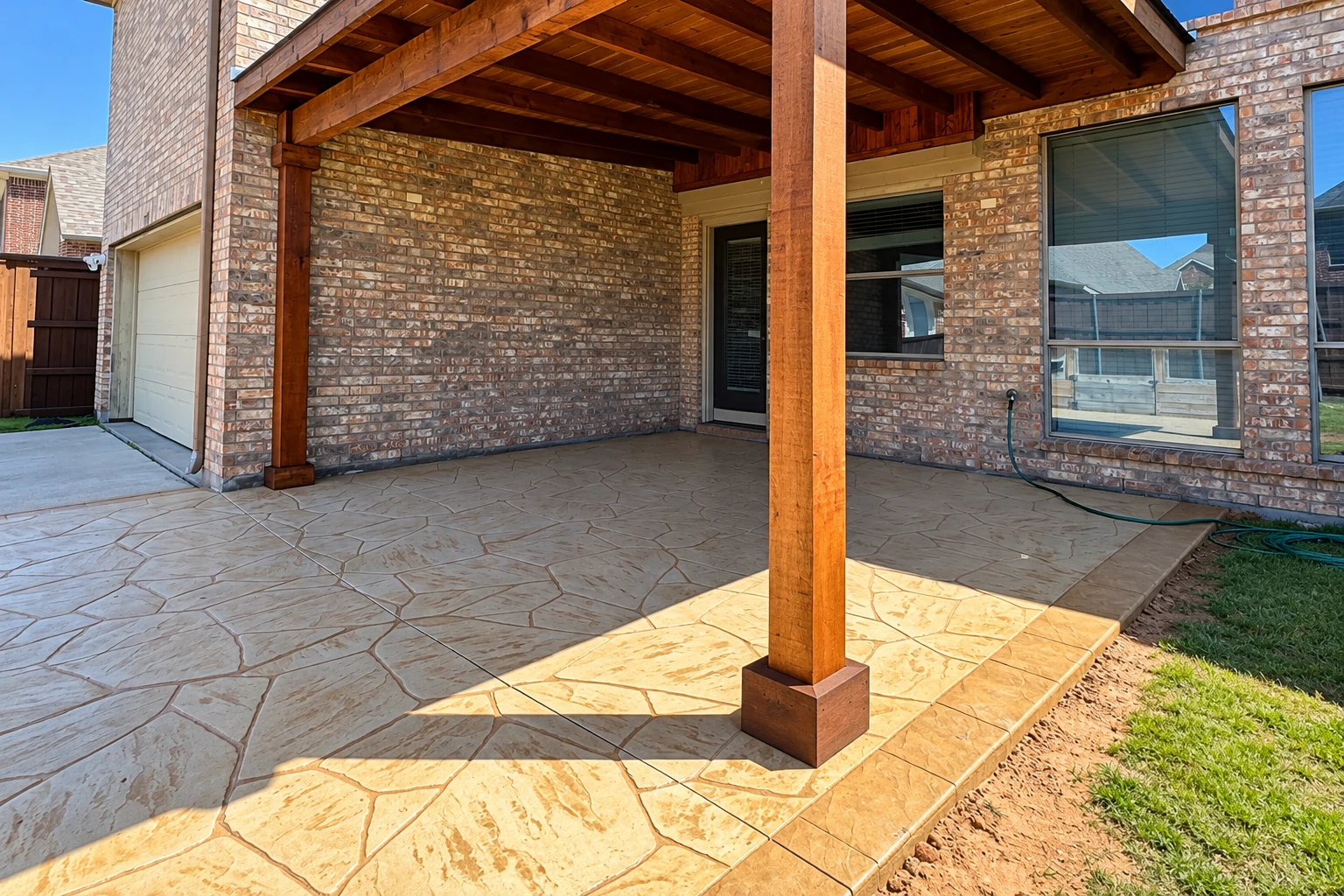
Concrete parking lot building in Wellington FL - a lot built for what parks on it
Parking area cracking, rutting or holding water? We build a concrete lot sized for the vehicles that use it and graded to drain.
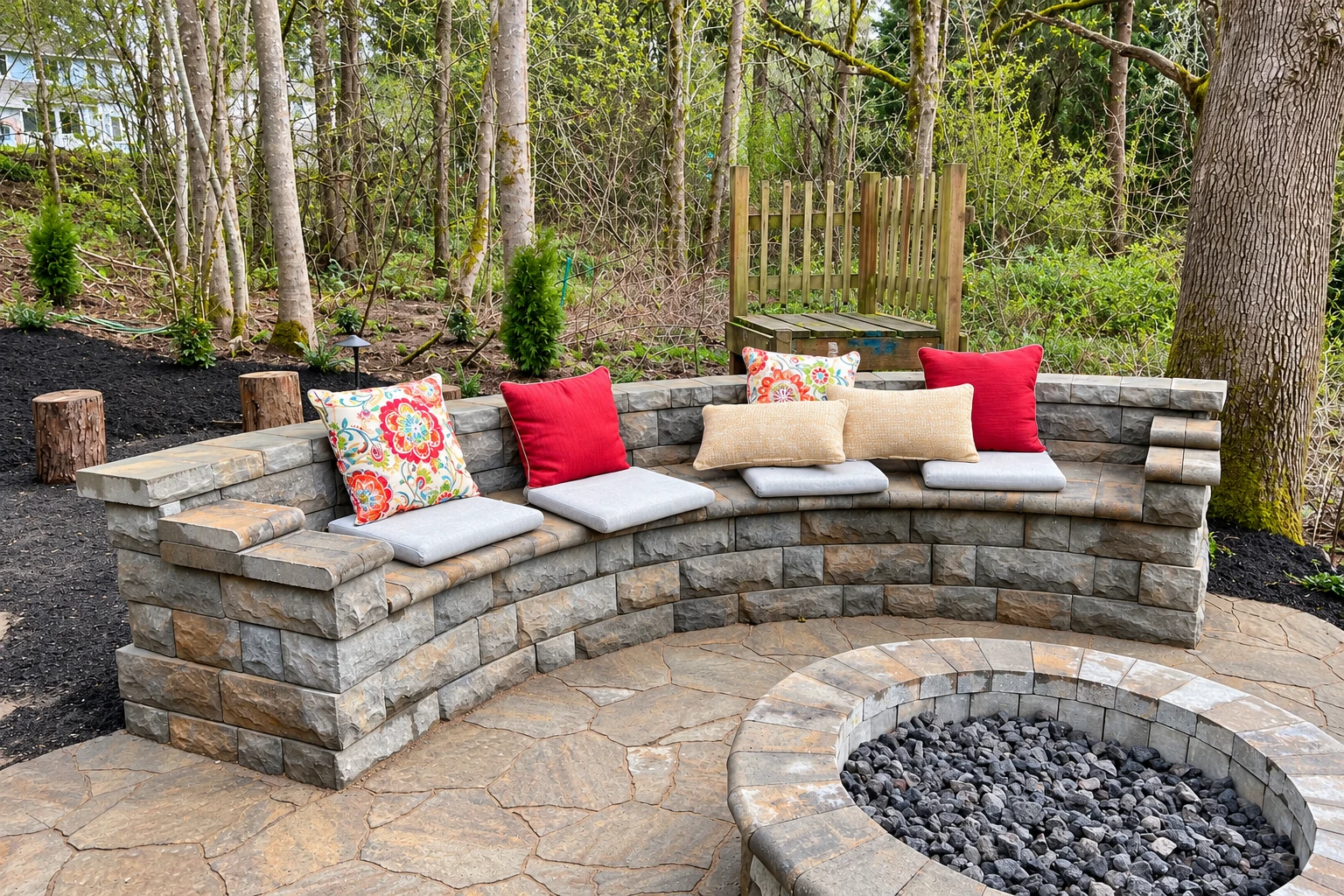
A concrete parking lot is one big slab. Plan it right.
Concrete parking lot building in Wellington, FL starts with the question I ask every owner. What's going to park on it? A lot is really one big slab, and cars and loaded trucks call for very different slabs, so the traffic decides the plan before anything else.
Most lots that crack or sink early failed underneath. The dirt was raked level instead of dug out and packed, water had nowhere to go, or the control joints, the cuts that tell the slab where to crack, went in late. When a budget gets tight, I'd trim the finish before the base, because a buried base can't be fixed.
Price moves with the lot's size, the thickness its traffic needs, the ground work, any old surface to tear out, and regular concrete versus pervious, a porous mix that lets water soak through. The schedule turns on permits and how long the lot stays closed while the concrete cures, the wait before it can carry weight, and I'll go over both when I come out.
Signs you need a concrete parking lot. Most start small.
Ruts and potholes in gravel
Ruts and potholes in a gravel lot usually mean the base is soft or washing out. Every rain and every loaded truck digs them deeper, so the regrading never really ends.
Water standing after a storm
Puddles that sit for hours mean the lot doesn't drain where it should. Left alone, that water softens the ground underneath and starts breaking the surface up from below.
Old asphalt cracking and crumbling
Spiderweb cracks and broken edges usually mean the paving is worn out or too thin for what parks on it. Patches tend to fail around the same spots, so the repairs keep coming back.
How your parking lot job runs. Start to finish.
You call, and I come out myself to walk the lot, ask what will park on it and answer your questions. If the job touches other work, like light pole bases that need concrete footings or a settled building beside the lot that needs foundation raising, I'll point it out then.
Then you get a written estimate that spells out what's included, so you can see exactly what you're paying for. If the job needs a permit, we pull it and handle the paperwork, and I keep you posted along the way.
We dig out soft or mixed spots and refill them to match the rest, so the subgrade, the ground the slab sits on, packs the same everywhere. I'm on site leading our crew through the pour, timed to miss the midday heat, and afterward I walk the finished lot with you so you know how to look after it.
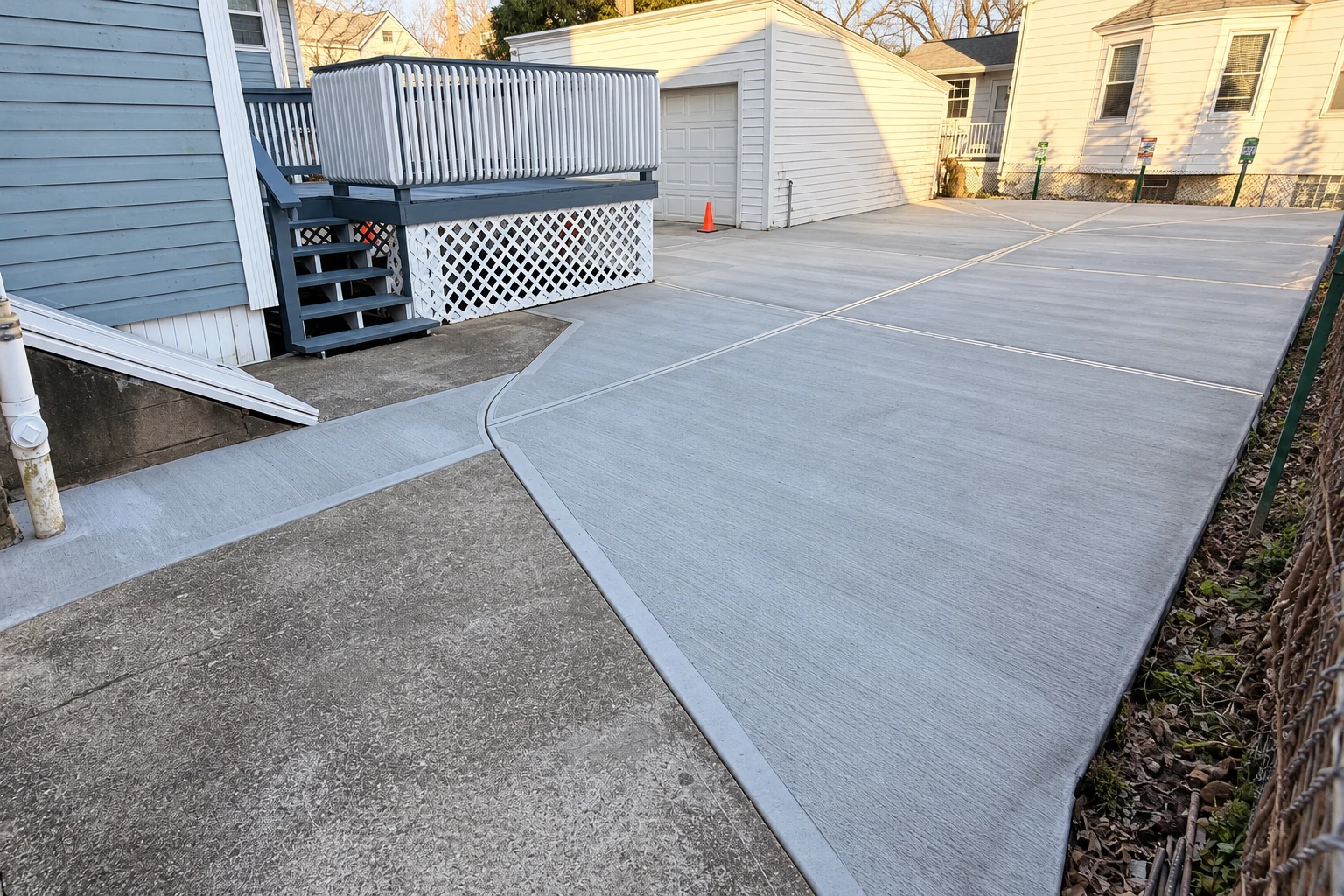
Planning a concrete parking lot? Tell us what will park there.
Tell us the lot's size, what parks on it and what's there now. We reply within one business day, and the on-site estimate is free, no obligation.
(561) 268-0415We pour concrete parking lots across the county. Drainage comes first.
Wellington's code counts every parking and loading area as paved surface when drainage and stormwater treatment are sized, and a pervious lot comes out of that count only if the Wellington Engineer approves. We plan the mix and the drainage together.
Palm Beach County requires certified, insured contractors, and some trades moved to a state credential, so ask any contractor which one covers the work. We're licensed, fully insured and based in Wellington, and we build lots across the county, including Royal Palm Beach and Greenacres.
Questions about concrete parking lots. Straight answers below.
Read through the answers below on thickness, reopening, pervious concrete and permits. If your question isn't here, call (561) 268-0415 and ask me.
How thick should a concrete parking lot be in Wellington?
The right thickness comes from the heaviest vehicles on the lot, since recommended depth rises from cars and light trucks to medium trucks to heavy commercial trucks. That's general trade guidance, and the final depth goes on your plans. A lot for heavy industrial trucks usually gets a design made for that site.
How soon can cars and trucks park on a new concrete lot?
The usual industry guidance is three days before cars park on new concrete and seven before trucks, unless tests show it's already strong enough. We plan the closure and your other parking with you up front. If you need the lot back early, ask about strength tests.
Is pervious concrete a good choice for a parking lot in Wellington?
It can be, but pervious concrete is weaker than regular concrete and tends to fail by cracking or shedding stones, which leaves ruts and loose grit. One Florida county's stormwater manual calls it fairly high upkeep, needing a solid edge to hold it in place and surface care so it doesn't clog. For truck traffic, I usually lean toward regular concrete.
Who pulls the permits for a concrete parking lot in Wellington?
We pull them as your licensed contractor and handle the paperwork, since in Palm Beach County only homeowners and qualified contractors can. On commercial developments, construction requires an Environmental Resource Permit from the South Florida Water Management District, whose list names site grading but not parking lots, so we check what your lot needs at the start.
Got a lot, driveway or slab in mind? Call Optimum Wellington Concrete.
Tell us where the lot is and how soon you need it open, and I'll set a time to come walk it with you.
Mon–Fri: 6 AM–9 PM, Sat–Sun: 7 AM–9 PM